
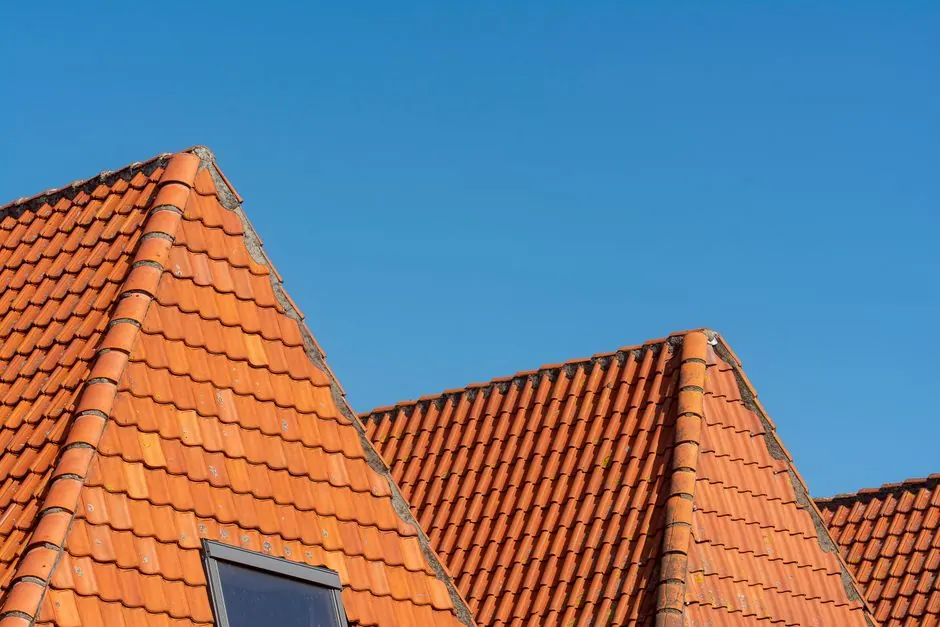
Preparing your roof for California wildfire season means clearing all debris from the roof surface and gutters, sealing every gap where embers can enter, and confirming you have Class A fire-rated roofing material. Those three steps - clean, seal, and verify - are what actually determine whether your house survives an ember storm. Everything below is the detailed version of that answer, written for the way fires actually behave in Southern California.
We're RoofPros California, and we've inspected and repaired roofs across the San Fernando Valley, the Santa Monica Mountains, and the Los Angeles basin. We've seen which roofs make it through a wind-driven fire and which ones don't. This guide walks you through the full wildfire roof preparation process, the materials that matter, and the code requirements that apply to your address.
Why your roof is the most vulnerable part of your home
Your roof is the most vulnerable part of your home during a wildfire because it presents the largest horizontal surface where wind-blown embers can land and sit. A burning ember the size of a thumbnail can ignite dry leaves in a roof valley, slip under a lifted shingle, or drop into an open vent - and that ignition happens hours after the fire front has already passed.
Most homes that burn in California wildfires are not destroyed by the flame wall itself. They're destroyed by embers. Research from the Insurance Institute for Business & Home Safety consistently shows that ember accumulation in roof gutters, valleys, and vents is the leading ignition pathway for structures within a mile of the fire perimeter.
That matters because it means your roof is not just a passive surface. It's the first line of defense, and it's the one you can actually improve before the next red flag warning.
How to prepare your roof for California wildfire season: the 7-step checklist
Wildfire roof preparation in California comes down to seven tasks, and you can complete most of them in a single weekend. Do them in this order.
- Clear the roof surface completely. Remove pine needles, leaves, twigs, and anything else that has collected in the last twelve months. A leaf blower works, but a soft brush is safer on aging shingles.
- Clean the gutters and downspouts. This is where embers accumulate most. If your gutters are packed with dry debris, you have a row of kindling running the entire perimeter of your house.
- Seal every gap. Check the ridge cap, the flashing around chimneys and vents, and any spot where the roof plane meets a wall. Embers enter through gaps as small as 1/8 inch.
- Screen the vents. Install 1/8-inch metal mesh over soffit vents, gable vents, and any other opening into the attic. Plastic screens melt.
- Trim overhanging branches. Keep tree limbs at least 10 feet from the roofline and remove any branches that hang directly over the roof.
- Clear the first 5 feet around the structure. This is the ember-resistant zone. No mulch, no bark, no woodpiles, no dry grass within 5 feet of the foundation and roof edge.
- Get a wildfire roof inspection. A trained inspector will catch the things you can't see from the ground - cracked flashing, lifted shingle tabs, and deteriorated pipe boots.
If you'd rather not climb a ladder in the heat, our team handles the whole checklist in a single visit. We offer Roof Maintenance in California that includes debris clearing, gutter cleaning, and a full seal-and-screen service before fire season peaks.
Fire resistant roofing materials for California homes
Fire resistant roofing materials for California homes are rated by ASTM E108 and classified as Class A, B, or C - and you want Class A, which is the highest rating and the one most California jurisdictions now require in wildland-urban interface zones. Class A roofing California options include asphalt shingles with a fire-rated fiberglass mat, standing-seam metal, clay and concrete tile, and some synthetic composite products.
Here's how the common options compare for wildfire resistance:
- Class A asphalt shingles: The most common choice in the San Fernando Valley. Affordable, widely available, and fire-rated - but the fire resistance depends on the underlayment and the condition of the shingle. A 20-year-old shingle roof with missing tabs is not performing like a new one.
- Standing-seam metal: The strongest performer in an ember storm. Metal doesn't ignite, and the interlocking panels leave very few gaps for embers to enter. It also reflects heat, which helps in 100°F+ Valley summers.
- Clay and concrete tile: Excellent fire resistance, but the tiles themselves can crack and the underlayment beneath them is what actually burns. If your tile roof is 25+ years old, the underlayment is the weak point.
- Composite synthetic: Looks like shake or slate, rated Class A, and lighter than tile. Quality varies widely by manufacturer.
If you're replacing a roof and want the strongest ember-resistant roof California has to offer, standing-seam metal is the answer. We install Metal Roofing in California with fire-rated underlayment and ember-resistant detailing at the ridge and eaves.
California wildfire roof code requirements you should know
California wildfire roof code requirements are set by Chapter 7A of the California Building Code, which applies to new construction and roof replacements in Fire Hazard Severity Zones designated by Cal Fire. If your home sits in a Very High Fire Hazard Severity Zone - which covers large parts of the Santa Monica Mountains, the hills above the Valley, and the canyons - Chapter 7A applies to your roof.
The core requirements are straightforward. Roof coverings must be Class A. Roof valleys must be constructed to prevent debris accumulation. Vents must be covered with 1/8-inch corrosion-resistant metal mesh. Eaves must be boxed or protected. And roof-edge flashing must be in place to keep embers out of the attic.
You can check your property's Fire Hazard Severity Zone designation through Cal Fire's online viewer. If you're in a Very High zone, your roof replacement has to meet Chapter 7A - and that's not optional. We handle Chapter 7A-compliant installations every week, and we can tell you exactly what your address requires before we quote the job.
Common mistakes that make roofs more vulnerable
The most common mistake we see is treating wildfire preparation as a one-time event. Embers don't care that you cleaned your gutters in April. By August, the same gutters are full again, and the risk is back.
Other mistakes we run into constantly:
- Leaving the attic vents unscreened. An open gable vent is a direct path for embers into the most combustible space in the house.
- Storing firewood against the house. A cord of wood against the wall is a ladder for fire to climb to the eave.
- Ignoring the underlayment. Homeowners replace cracked tiles but leave the 30-year-old felt underneath. The tile doesn't burn - the felt does.
- Skipping the roof-to-wall intersection. This is where embers most often enter, and it's the hardest spot to inspect from the ground.
- Assuming a newer roof is automatically safe. A 5-year-old roof with a lifted ridge cap is more vulnerable than a 15-year-old roof that's properly sealed.
We see these issues across the Valley - particularly in older neighborhoods where roofs have been patched repeatedly. If you're in an area with a lot of 1960s and 1970s construction, like Roofing in Northridge, the odds are good that your roof has at least one of these problems right now.
When to call a professional
Call a professional when you can't safely get on the roof, when you find cracked or missing shingles, or when your roof is more than 15 years old and has never had a wildfire-specific inspection. Those three situations cover most of the homes we visit.
A wildfire roof inspection California homeowners can rely on takes about 60 to 90 minutes and covers the roof surface, the attic-side venting, the flashing details, and the 5-foot ember-resistant perimeter. We document everything with photos and give you a written priority list - what needs to be fixed now, what can wait a season, and what's already compliant.
If you're not sure whether your roof is ready, start with an inspection. Our team provides Roof Inspection in California with a full ember-vulnerability report, and we'll tell you honestly whether you need repairs or whether you're already in good shape.
Frequently Asked Questions
How to prepare roof for wildfire season in California?
Clear all debris from the roof and gutters, seal gaps at flashing and ridge caps, screen all vents with 1/8-inch metal mesh, trim overhanging branches to 10 feet, and clear the first 5 feet around the structure. Then get a professional inspection. The whole process takes one weekend for most homes.
What is the best fire resistant roofing in California?
Standing-seam metal is the best-performing Class A option because it doesn't ignite and leaves minimal gaps for embers. Clay and concrete tile are also Class A, but their underlayment is the weak point. Class A asphalt shingles are the most affordable fire-rated choice and meet code in most jurisdictions.
Does homeowners insurance cover wildfire roof damage in California?
Yes, standard California homeowners policies cover wildfire damage to the roof, including ember ignition, up to your dwelling coverage limit. The catch is that many insurers now require documented wildfire mitigation - cleared gutters, screened vents, defensible space - and some have raised deductibles for wildfire claims in high-risk zones.
How to make roof ember resistant in California?
Focus on the three entry points: gutters, vents, and gaps. Install 1/8-inch metal mesh over every vent, keep gutters completely clear during fire season, and seal all flashing and ridge-cap gaps. Class A roofing material plus those three fixes gives you the strongest practical ember resistance.
How often should I clean my roof during wildfire season in California?
Clean gutters and roof valleys every 4 to 6 weeks from June through November, and after any Santa Ana wind event. In high-risk canyons and hillside neighborhoods, monthly cleaning is the safer schedule. Debris accumulates fast in dry, windy conditions.
Get help with Roofing in California
Wildfire season in Southern California doesn't wait for a convenient weekend, and neither should your roof preparation. We handle inspections, ember-resistance upgrades, and full Class A roof replacements across Los Angeles County - with upfront pricing and no surprise add-ons.
Call RoofPros California at (877) 409-4846 to schedule your wildfire roof inspection. We'll tell you exactly what your roof needs before the next red flag warning.